A six-figure contract, no one to read it.
You're about to sign a build or a platform deal that shapes the next three years, and nobody on your side can tell you if the terms, the architecture, or the price are sane.
A senior engineer who owns your technology decisions, for a fraction of a full-time CTO's cost and none of the search. For a funded startup, that's a CTO-level partner for architecture, hiring, vendor calls, and the board conversations between raises. For an established business with no technical leadership, it's someone on your side of the table when you're choosing a vendor, weighing an agency quote, or deciding whether to build or buy. When a rescue or a build ships, it's who owns what happens next.
You're about to sign a build or a platform deal that shapes the next three years, and nobody on your side can tell you if the terms, the architecture, or the price are sane.
Every answer is confident and none of it is checkable. You can't tell honest diligence from a practiced upsell, so you're trusting tone instead of substance.
They left, or the role was never filled. Product calls that need an engineer's judgment keep landing on someone who's guessing.
A board or a diligence team wants your architecture, your security posture, your scaling story, and nobody on your side can answer them.
Engineers are busy and code is landing, yet nobody sets direction, sequences the roadmap, or says no to the wrong build.
An acquisition, a departed developer, or an AI-built prototype left you a running system and no one accountable for what happens to it next.
You don't need a full-time CTO on the payroll. You need a CTO's judgment on the decisions that matter, and a team that can act on it. We sit in the seat at the cadence you actually need, own the technical calls, and, from day one, build toward the day you don't need us in it.
When a vendor, an agency, or a platform is selling to you, we're the technologist in the room evaluating it. We read the quote, the contract, and the architecture behind it, translate what's really being proposed, and tell you where the diligence ends and the upsell begins.
Build or buy is often the biggest call, and it's ours to reason through with you: what an off-the-shelf tool actually covers, what a custom build really costs, and which one you'll be glad you chose in three years.
We set and hold the technical direction: the architecture, the security posture, the roadmap, and its sequence. That includes saying no as clearly as yes, because half of good technical leadership is refusing the build that doesn't earn its place.
When investors or a board ask how the system is built, how data is handled, and how it scales, there's now a straight answer, and someone accountable for it.
If you're hiring engineers, we help you hire the right ones: writing the role, screening candidates, and sitting in the technical interviews so you're not judging skills you can't see. If you already have a team, we raise the bar, unblock it, and give it direction.
We bring process that fits your size, not enterprise ceremony bolted onto a five-person team. Just enough structure to ship reliably, and no more.
The job is to leave the seat in better shape than we found it, and empty. We document the decisions and the systems so a successor inherits context, not a mystery, and when scale means it's time for a full-time CTO, we help you find and hire that person.
A fractional CTO who fights to keep the seat is working against you. We'd rather hand off cleanly and stay the firm you call when you need builders, not the leadership you can't get out from under.
This is leadership we've done, not just recommended. Chris has been CTO of a venture-backed startup (Guardian Circle: $3M raised, X-Prize Foundation partner, a nationally publicized launch) and co-founder and CTO of an NFT marketplace on NEAR, where he assembled the engineering team behind a $9M seed round. Since 2022 he's advised startups in the US and abroad as a fractional CTO. Cristian, our solutions architect, has done CTO-level advisory work as well.
Most fractional CTOs can only talk. Behind this one is a US-based engineering firm, so a recommendation comes with an accountable path to done, and we own the roadmap we write instead of handing you a plan and walking off.
Advisory runs as a retainer sized to your cadence and scope. You approve it up front, changes are quoted, and nothing bills open-ended. No year-long lock-in, no surprise invoice.
Everything is documented so any successor inherits context, not a mystery, and when you're ready for a full-time CTO we help you hire them. We work ourselves out of the seat rather than defend it.
It's engineering leadership without the full-time hire: someone senior who owns the technical decisions a company your size can't afford to get wrong. In a given month that might be evaluating a vendor or an agency quote, setting architecture and security direction, sequencing a roadmap, sitting in on senior hires, and answering the architecture and security questions a board or an investor puts to you. For a funded startup, it's a CTO-level partner between raises. For an established business with no technical leadership, it's the person who reads the six-figure software decision before you sign it.
As much as the decisions demand, and no more. Some months are a standing weekly call and a running thread; others are quiet until a contract, a hire, or a board meeting needs real attention. We size the retainer to that cadence and revisit it as your needs change: up when you're raising or hiring, down when things are steady. You approve the scope and the number up front, changes are quoted, and there's no open-ended billing. We don't publish a rate because a monthly advisory cadence and a hands-on stretch through a fundraise aren't the same engagement.
It depends on scale, and we'll tell you straight. Below a certain size, a full-time CTO is an expensive seat with not enough to fill it, and fractional gives you the judgment without the salary, the equity, and the months-long search. Past that size, when technical leadership is a daily, full-time job, you should hire one, and we help you do exactly that. We'd rather hand off cleanly to your full-time CTO than talk you into keeping us longer than you need us.
Fair question, so here's the direct answer. Every build is a step you approve and a quote you see, so nothing gets built without your yes. We regularly recommend against building: buy the off-the-shelf tool, keep the vendor you have, don't rebuild what already works. And the advisory retainer stands on its own; it doesn't depend on selling you a build, so the pull to pad a roadmap isn't there. Being able to build is what makes the advice accountable: we're on the hook for the roadmap we write, not just a plan on paper.
The same way everything here does: a free 30-minute intro call over Google Meet, no prep. Often this seat follows something else. A rescue ships and someone has to own the app afterward, or a build lands and you need a hand on the tiller from there on. Tell us what you're deciding and where the technical judgment is missing, and we'll tell you honestly whether a fractional CTO is the right shape, or whether you need something else.
Thirty minutes over Google Meet, no prep. Tell us the decision in front of you, the app nobody owns, or the room where the technical questions go unanswered, and we'll tell you honestly whether a fractional CTO is what you need, and where we'd start.
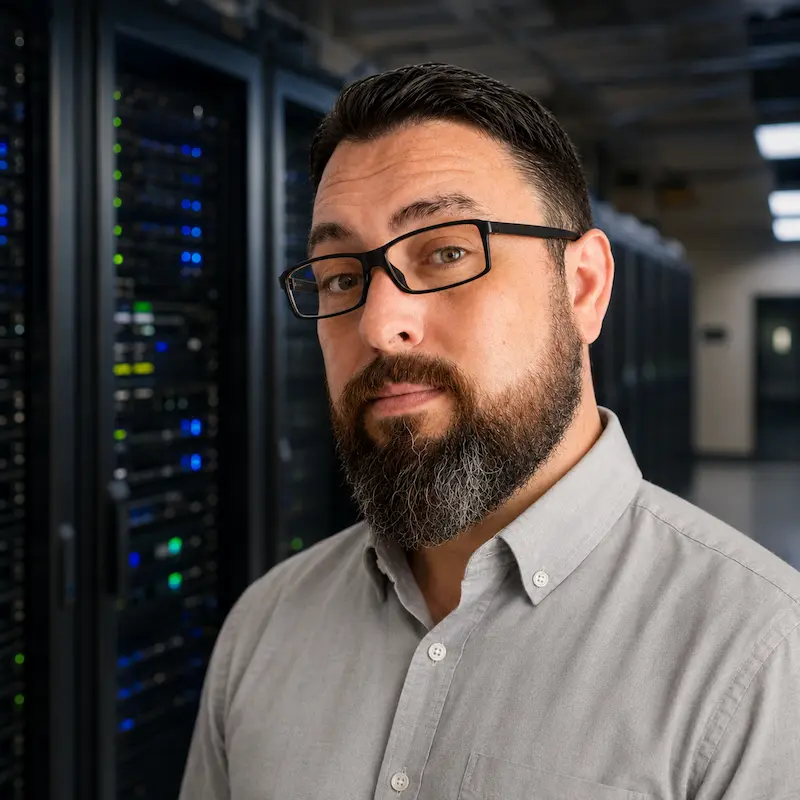
Book straight onto Chris's calendar. No sales rep and nothing to prepare: you talk with the engineer who would actually scope the work.