Quotes stitched from carrier emails.
Pricing a load means digging through a thread of carrier replies and a spreadsheet of old lanes to land on a number. By the time it goes out, the capacity has moved and the rate is stale.
AmiFi is an engineering firm based in the South Bay of Los Angeles, near the Long Beach and Port of LA complex. We're not freight veterans, and we won't pretend to be. We're senior engineers who automate document-heavy, disconnected operations: the delivery receipts your team chases, the accessorial revenue that slips, the re-keying between your TMS, email, and accounting. You bring the domain expertise; we automate around it.
Pricing a load means digging through a thread of carrier replies and a spreadsheet of old lanes to land on a number. By the time it goes out, the capacity has moved and the rate is stale.
The real board is a wall and three text threads. It works because your dispatchers are sharp, and it collapses the day one of them is out sick or quits.
Billing can't invoice until the signed delivery receipt comes in, so someone spends their week calling drivers and receivers for paper that's sitting in a cab or a scanner somewhere.
The accessorials your team knows it's owed slip because catching them means cross-checking timestamps against the agreed terms before the invoice goes out, and nobody has the hour to do it.
The large shippers get clean automated feeds. The rest of the book runs on PDFs, phone calls, and re-keying, and that's where most of your loads actually live.
Between missing paperwork, unbilled charges, and manual invoicing, cash that should land in days sits for weeks, and the aging report keeps growing.
The same senior engineers who build the automation do the discovery themselves, usually sitting down with your dispatchers and billing team to learn how your operation actually runs. Here's the kind of document and integration work we take off your people, built into the systems you already run.
The bills of lading, delivery receipts, load confirmations, and carrier invoices your team handles arrive as PDFs, scans, and email attachments in every format imaginable. We read them, pull the load number, stops, weights, references, and signatures, match them to the right load in your TMS, and file them where billing can find them.
A missing or unsigned delivery receipt becomes something the system flags the day the load delivers, not a surprise your billing team discovers when the invoice bounces.
You tell us the rules; the software applies them every time. We read arrival and departure timestamps from your status data and tracking, compare them against the agreed free time and rates on the paperwork, and flag the billable charges your team knows it's owed before the invoice goes out. The timestamps that prove the charge are attached to the claim.
This is a leak we hear about constantly: revenue you're entitled to that never gets billed because catching it by hand costs more time than anyone has. Automated, it's caught while the evidence is fresh.
Once a load delivers and its paperwork is complete, we assemble the invoice from the load confirmation, the captured charges, and the delivery receipt, and push it to your accounting so cash stops waiting on manual data entry. Loads that are ready to bill move; loads with a missing document sit in an exception queue with the reason spelled out.
The aging report stops being a mystery, because you can see exactly what's holding each unbilled load.
We keep your TMS, your accounting, and your customer-facing status in sync, so a where's-my-freight call gets answered from a screen instead of a phone tree. Status updates flow to the customer portal or an email the shipper actually reads. Where a partner runs an electronic data feed, we integrate with it; where they run email, we automate that too. System integration and data plumbing is the core of what we do.
One record of truth for a load, instead of a dispatcher's memory, a spreadsheet, and three inboxes that disagree.
We're not freight veterans, and we don't pretend to be. We're senior engineers who automate the document and integration work that clogs operations like yours. Discovery is where we learn how your loads actually move, before anyone quotes a build. You stay the expert on your business.
No offshore handoffs, no overseas access to your systems, your shippers' data, or your rate agreements. For a broker whose whole business is relationships and confidential rates, that matters, and it rules out most software vendors before the first call.
Payment platforms wired into banks, fraud detection, reconciliation of thousands of transactions a day, KYC/AML built from scratch, internal systems inside a Fortune 500 healthcare provider. Document intake, system integration, and getting from delivered to invoiced are squarely the kind of work we've done under real scrutiny.
We integrate with McLeod, Aljex, Turvo, or whatever you run, instead of replacing it. Code, data, and documentation are in your name from day one. No lock-in: any competent engineer can pick up our work.
Straight answer: we're not freight veterans, and we won't pretend to be. Nobody on our team came up in a brokerage or a drayage yard. What we are is senior software engineers who have spent careers automating document-heavy, disconnected operations: payment platforms wired into banks, reconciliation of thousands of transactions a day, and internal systems inside a Fortune 500 healthcare company. Freight is full of exactly that kind of work. You bring the domain expertise; we bring the engineering. The whole point of the free call and then the Roadmap is that our engineers learn how your operation actually runs before anyone quotes a build. And if, after the intro call, we don't think we're the right fit, we'll tell you.
Those electronic feeds cover the partners big enough to demand them. Everything else, which for a lot of brokers is most of the book, still runs on email, PDFs, and phone calls. That's the gap we work: pulling the confirmations, bills of lading, and delivery receipts out of inboxes and scanned attachments, and syncing them into your TMS and accounting so the manual side of the house stops eating your team's day. We can stand up an electronic feed with a partner who's asking for one, but the bigger win is usually the email pile nobody has automated.
No. If you already run McLeod, Aljex, Turvo, or something homegrown, you don't need a second one. We build around what you have: reading documents into it, pushing status and invoices out of it, and closing the gaps where your people re-key data between the TMS, email, and accounting. If the TMS genuinely can't do something, we'll say so in the Roadmap instead of selling you a rip-and-replace.
This is the kind of leak automation is good at closing, and it's one we hear about constantly. The charges your team knows it's owed (detention, layover, and the rest) slip because catching them means someone cross-checking arrival and departure times against the agreed terms while the load is still fresh, and nobody has the hour. Software doesn't get tired: we can read the timestamps out of your status data, compare them against the free time and rates on the paperwork, and flag the billable charges before the invoice goes out. We won't promise a dollar figure, because that depends on your lanes and how you bill today, and the exact rules are yours to define with us in discovery. But the mechanism is straightforward engineering.
A defined-scope build is a fixed quote: you approve the scope and the number before we start, and changes are quoted, never absorbed into a runaway invoice. Ongoing support runs as a retainer sized to your operation. When a flat rate doesn't make sense, we work hourly against a cap you approve and convert to a fixed quote the moment the ground is known. It starts with a free 30-minute call over Google Meet where we hear the scope, then a fixed-fee, two-week Automation Roadmap that hands you a ranked plan and a fixed build quote before you commit. If you build with us, the Roadmap fee is credited against the build.
That's exactly the operation this tends to pay off for. The whiteboard and the group text work because your people are good, not because the process is sound, and it all falls apart the day the dispatcher is out. We're not going to hand your dispatchers a rigid system they'll route around. We automate the parts that don't need judgment, the document chasing, the status updates, the paperwork that gates billing, so your people spend their time covering loads instead of typing. Which parts those are is something we work out with your team in discovery, not something we assume.
Tell us where the paperwork and the unbilled revenue pile up. In a free 30-minute call over Google Meet, we'll tell you what's worth automating between dispatch, billing, and your TMS, and what isn't. If it's worth it, the Roadmap usually opens with a day or two watching how it moves.
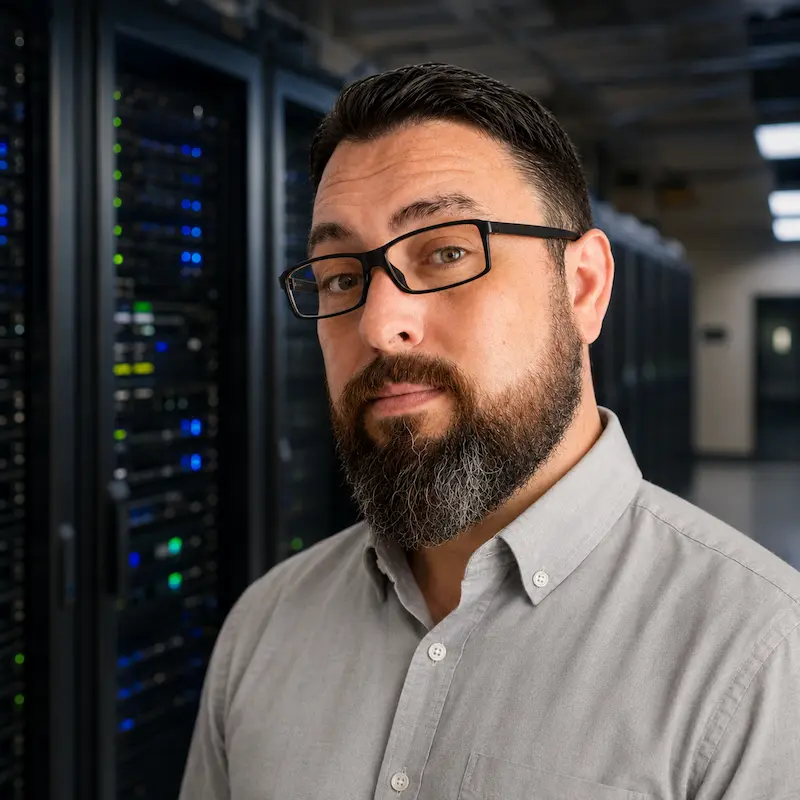
Book straight onto Chris's calendar. No sales rep and nothing to prepare: you talk with the engineer who would actually scope the work.