A major build to sign off.
A platform deal or a custom build is on the table and nobody on your side can tell you if the architecture, the terms, or the price are sane.
Past a certain scale, technical leadership is a daily, full-time job and you should hire for it. Below that, a full-time CTO is an expensive chair with too little to do. This is an honest look at where that line sits, and when a fractional CTO gives you the judgment without the salary, the equity, and the six-month search.
A platform deal or a custom build is on the table and nobody on your side can tell you if the architecture, the terms, or the price are sane.
Engineers are busy and code is landing, yet no one sets direction, sequences the roadmap, or says no to the wrong build.
If real technical decisions land every single day, that is a full-time job, and a fractional seat will always be a step behind it.
A rescue shipped, a developer left, or an acquisition handed you a running system with no one accountable for what happens next.
A board or a diligence team wants your architecture, security posture, and scaling story, and no one on your side can answer them.
You are trusting an agency's confidence because there is no technologist on your side to tell honest diligence from a practiced upsell.
Fractional and full-time aren't better or worse: they fit different stages. The honest question is how much genuine technical leadership your company needs each week, and whether that is a full-time job yet.
If technology is your product, if architecture and security decisions land every day, and if you are running a team large enough to need full-time direction, you should hire a full-time CTO. At that scale the seat is genuinely a forty-hour week, and a part-time hand on the tiller will always be a step behind the decisions.
When that is where you are, we will tell you so, and we help you get there: writing the role, screening candidates, and sitting in the technical interviews so you are not judging skills you can't see. We would rather hand off cleanly than keep a seat you have outgrown us for.
If you run real systems but don't have forty hours a week of technical strategy, a full-time CTO is an expensive seat with not enough to fill it. Fractional gives you the same judgment on the decisions that matter, architecture, vendor calls, build-vs-buy, and the roadmap, without the salary, the equity, and the months-long search.
It also fits the moment after something ships: a rescue that now needs an owner, a build that needs a hand on the tiller, a vendor who needs holding to account. And because this seat is backed by an engineering team that builds, the advice comes with an accountable path to done, not a plan on paper.
If genuine technical calls land daily, that is a full-time job. If they cluster around a contract, a hire, or a board meeting and go quiet in between, that is a fractional cadence.
A large engineering org needs full-time direction and someone accountable for it. A small team, or none yet, rarely fills a full-time CTO's day, and pays for a seat that idles.
After a rescue or a build, someone has to own the system next. That is often a fractional seat's whole job, and rarely enough to justify a full-time hire on its own.
If you are signing large software decisions with no technologist in the room, you need judgment on your side of the table. Fractional puts it there for far less than the seat costs full-time.
A fractional CTO worth hiring works toward the day you outgrow them, documenting decisions and helping you hire the full-time CTO when scale calls for one. The goal is a clean succession, not a seat defended.
It depends on scale, and we will tell you straight. Below a certain size, a full-time CTO is an expensive seat with not enough to fill it, and fractional gives you the judgment without the salary, the equity, and the months-long search. Past that size, when technical leadership is a daily job, you should hire one, and we help you do exactly that.
Not if the work isn't there yet. A full-time CTO with a light week is an expensive chair that idles, and a strong candidate won't stay in a role that doesn't stretch them. The question isn't what you can afford, it's how many hours a week of genuine technical leadership your company actually generates. When that becomes a full-time load, hire one, and we will help.
It is the fair question. Every build is a step you approve and a quote you see, so nothing gets built without your yes, and we regularly recommend against building: buy the off-the-shelf tool, keep the vendor you have, don't rebuild what works. The advisory retainer stands on its own, so the pull to pad a roadmap isn't there. Being able to build is what makes the advice accountable.
We hand off cleanly. Everything is documented so a successor inherits context, not a mystery, and when scale means it's time for a full-time CTO, we help you write the role, screen candidates, and sit in the interviews. A fractional seat that fights to keep itself is working against you, so we work ourselves out of it.
Thirty minutes over Google Meet, no prep. Tell us the decisions in front of you and how often they land, and we'll tell you honestly whether you need a full-time CTO, a fractional one, or something else entirely.
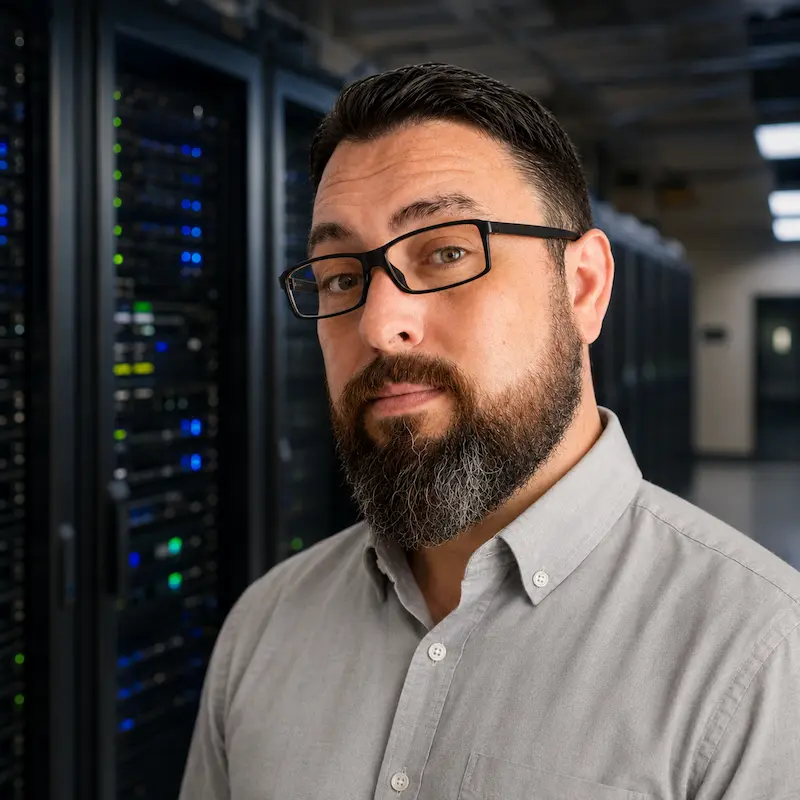
Book straight onto Chris's calendar. No sales rep and nothing to prepare: you talk with the engineer who would actually scope the work.